ACL Injuries Explained: Rehab vs Surgery — Guide from Peak Sports Physio Hakuba
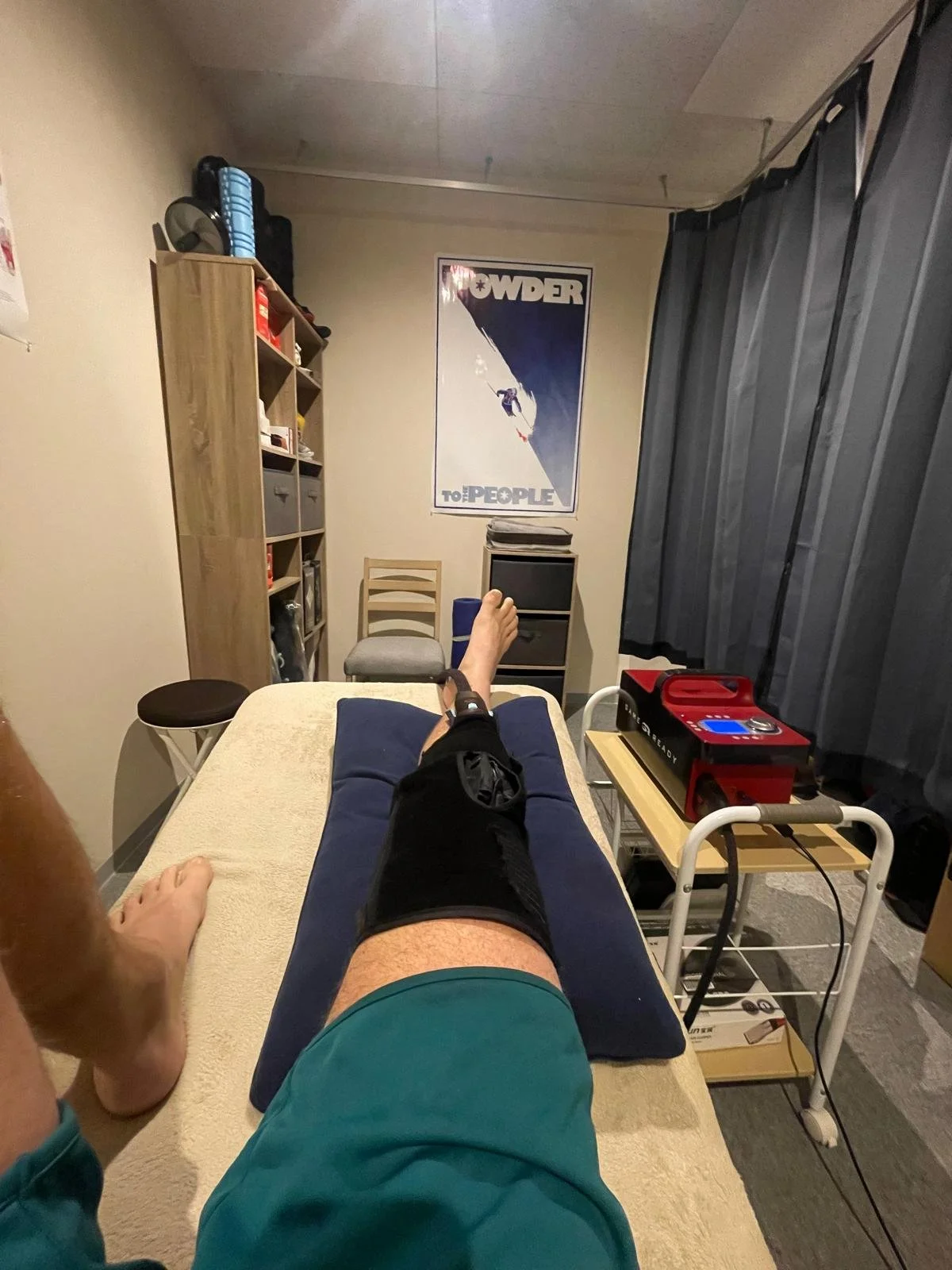
If you live, train or ski in Hakuba, knee injuries are unfortunately common — especially ACL injuries. At Peak Sports Physio Hakuba, we regularly help athletes, skiers and active locals understand their options and recover safely.
This guide explains what an ACL injury is, how it’s diagnosed, and the pros and cons of non-operative treatment versus ACL reconstruction, so you can make an informed decision about your recovery.
What Is an ACL Injury?
The anterior cruciate ligament (ACL) is a major stabilising ligament inside the knee. It prevents excessive forward movement of the shin and gives control during twisting, pivoting, cutting and sudden stops.
ACL tears often occur during non-contact movements such as:
Quick changes of direction
Sidestepping
Rapid deceleration
Awkward landings from jumps
Skiing falls — especially common in the Hakuba Valley
Typical symptoms include:
A distinctive “pop”
Rapid swelling within a few hours
Pain and difficulty weight-bearing
Instability or the feeling the knee may “give way,” especially with pivoting
Diagnosis combines clinical tests (e.g., Lachman, pivot-shift) with an MRI to confirm the extent of the injury and identify any additional damage such as meniscus tears.
Non-Operative (Rehab-First) Management
At Peak Sports Physio Hakuba, many patients begin with a rehab-first approach, especially if they are not competing in high-risk pivoting sports.
What does non-operative treatment involve?
A structured physiotherapy program designed to restore:
Knee range of motion
Quadriceps, hamstring, glute and calf strength
Single-leg balance and neuromuscular control
Safe landing and movement mechanics
Early on, patients may use bracing, swelling control strategies and activity modification while strength and stability improve.
Who is it best for?
Individuals active in straight-line or lower-demand sports (e.g., hiking, road cycling, recreational skiing)
Patients willing to adjust their activities if needed
People who demonstrate good neuromuscular control (“copers”)
Some patients recover extremely well with rehab alone; others may experience ongoing instability (“non-copers”) and later opt for surgery.
Operative Management: ACL Reconstruction
Surgery is often recommended for younger or highly active athletes, especially those wanting to return to:
Skiing
Snowboarding
Soccer
Basketball
Rugby or other pivot/contact sports
How ACL reconstruction works
Instead of repairing the torn ligament, the surgeon reconstructs it using a tendon graft (commonly hamstring or patellar tendon).
Rehabilitation after surgery
Rehab is essential and typically spans 9–12 months, covering:
Swelling and pain control
Restoring range of motion
Strength and power progression
Running, plyometrics and agility
Sport-specific training and return-to-snow programs
Surgery can improve knee stability and reduce “giving-way” episodes that may otherwise damage cartilage or the meniscus. However, like any surgery, it carries risks and doesn’t eliminate long-term osteoarthritis risk.
How Do You Choose the Right Path?
At Peak Sports Physio Hakuba, your physiotherapist and medical team consider:
Sport type (e.g., backcountry skiing vs casual trail running)
Activity level and return-to-sport goals
Knee laxity and frequency of instability
Age and work demands
Associated injuries (meniscus, cartilage)
Your personal preference and risk tolerance
A rehab-first approach often matches early surgery in long-term outcomes for many patients — but high-demand athletes may benefit from early reconstruction.
Role of Physiotherapy in Both Pathways
Whether you choose rehab alone or surgery, physiotherapy is crucial:
Non-operative care → determines whether surgery can be avoided
Pre-surgery “pre-hab” → improves strength and range, leading to smoother recovery
Post-surgery rehab → guides progression from early mobility to return-to-sport testing
We use objective testing such as strength assessments, hop tests and movement analysis to decide when it’s safe to start running, training and returning to the mountains.
Recovering from an ACL Injury in Hakuba? We Can Help.
Whether you’re a skier, snowboarder, mountain biker or active local resident, Peak Sports Physio Hakuba provides evidence-based assessment and personalised rehabilitation programs.
📞 Book an appointment to discuss your knee injury or ACL rehab plan.
We’ll help you choose the right path — and guide you every step of the way.
