
Foot and Ankle Injury Physiotherapy in Hakuba
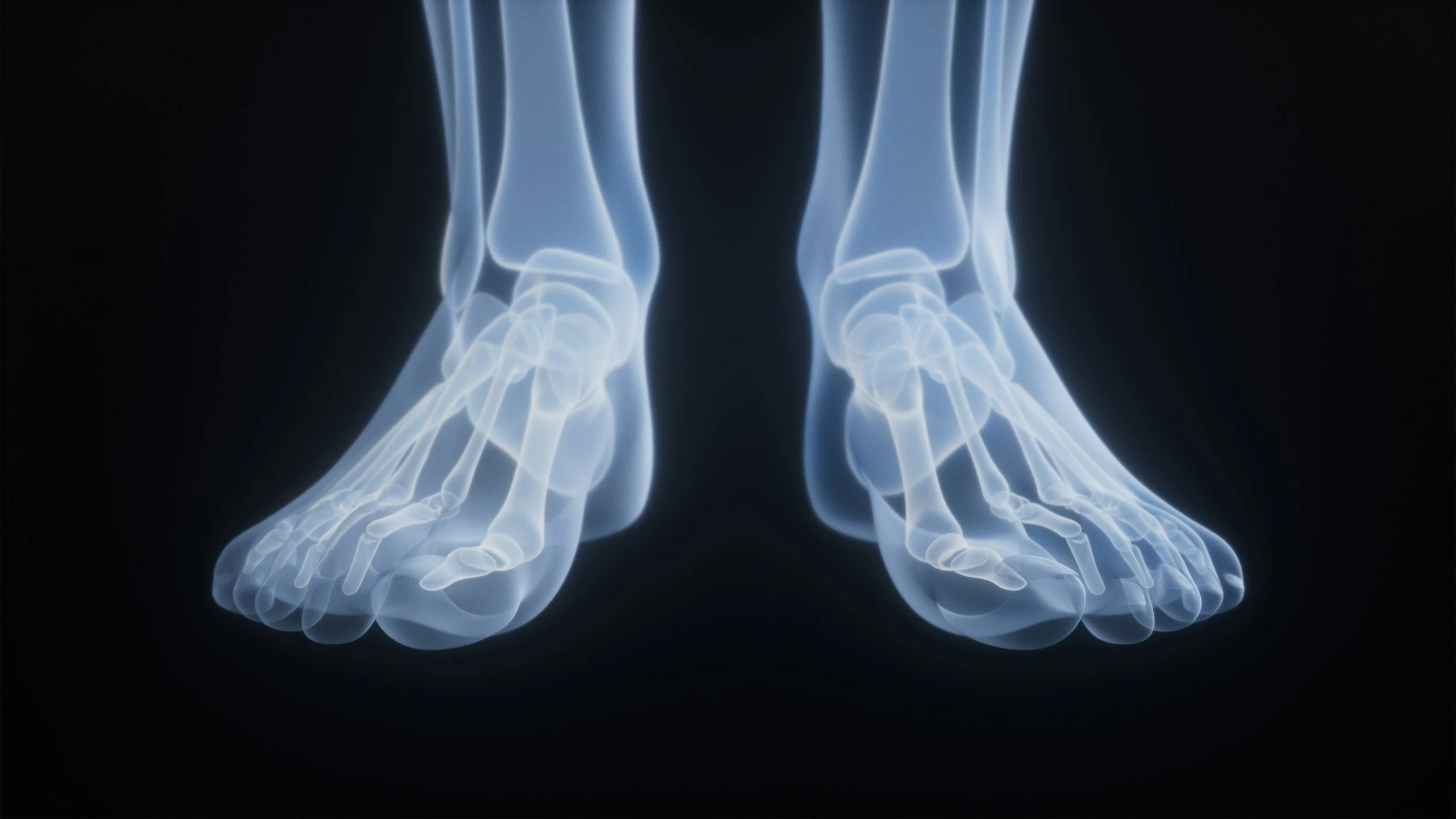
Foot and Ankle injuries occur both in and off the mountain here in Hakuba - here’s a brief summary of some common conditions we see!
Expert Sports Physiotherapy at Peak Sports Physiotherapy Hakuba
If you’re skiing or snowboarding in Hakuba, your feet and ankles are doing a huge amount of work. From icy walkways to deep powder days and long hours in boots, it’s no surprise we see a lot of foot and ankle injuries during the snow season.
At Peak Sports Physiotherapy Hakuba, we specialise in treating ski and snowboard injuries, with a strong focus on foot and ankle conditions common in mountain sports. Our experienced sports physiotherapists work with both visitors and locals to help you recover quickly and get back on the snow safely.
Below are some of the most common foot and ankle injuries we treat in Hakuba — and how physiotherapy can help.
1. Lateral Ankle Sprains
How lateral ankle sprains happen in Hakuba
Lateral ankle sprains are one of the most common injuries we see, often caused by:
Slipping on ice or hard-packed snow
Poorly fitting ski or snowboard boots
Inversion injuries during falls or awkward landings
Common symptoms
Pain on the outside of the ankle
Swelling, bruising, and tenderness
Reduced ankle movement
Difficulty weight bearing or walking
Physiotherapy treatment at Peak Sports Physiotherapy Hakuba
Swelling management using taping, compression, and cold therapy
Manual therapy and physiotherapy massage
Walking and movement re-training
Bracing, taping, or crutches if required
Progressive exercises to restore ankle strength and mobility
2. Syndesmosis (High Ankle Sprain)
How high ankle sprains occur
High ankle sprains often happen when:
A ski or snowboard becomes fixed while the body continues to rotate
Twisting falls, particularly in snowboarding
Common symptoms
Pain and swelling above the ankle joint
Pain radiating up the lower leg
Instability and difficulty weight bearing
Sharp pain with rotation or pushing off
Physiotherapy management
Thorough assessment to rule out associated injuries
Referral for imaging when needed
Manual therapy and physiotherapy massage
Compression and cold therapy for swelling
Walking re-training
Support devices such as braces, boots, taping, or crutches
Rehabilitation exercises to restore strength and coordination
3. Achilles Tendon Overload
Why Achilles pain is common in Hakuba
Achilles tendon overload often develops due to:
Sudden increases in skiing or snowboarding volume
Long days in stiff or poorly fitting boots
Increased calf and ankle load during the snow season
Common symptoms
Morning stiffness and pain
Tightness or aching along the Achilles tendon
Pain when walking uphill or standing on tiptoes
Symptoms worsening with activity
Physiotherapy treatment
Compression and cold therapy for pain and swelling
Ankle and foot mobility exercises
Heel wedges and ankle supports
Manual therapy and physiotherapy massage
Dry needling (when appropriate)
Taping and kinesiology tape
4. Achilles Tendon Rupture
How Achilles ruptures occur in snow sports
High-impact landings
Sudden forceful push-offs
Falls while skiing or snowboarding
Symptoms
Sudden sharp pain or a “pop” in the back of the ankle
Significant swelling and weakness
Difficulty or inability to walk
Physiotherapy management
Referral for imaging and medical review
Education on the recovery and rehabilitation process
Immobilisation, taping, and crutches
Swelling management with compression and cold therapy
Gentle mobility exercises when appropriate
Progressive strength and coordination rehabilitation
5. Plantar Fasciitis
Why plantar fasciitis develops during ski trips
Sudden increases in walking and activity
Poor walking footwear off the slopes
Tight calves from ski boots
Long periods of sitting during flights or train travel
Common symptoms
Sharp heel pain, especially with first steps in the morning
Dull ache or burning through the sole of the foot
Local tenderness and mild swelling
Physiotherapy treatment at Peak Sports Physiotherapy Hakuba
Pain management including cold therapy
Manual therapy and physiotherapy massage
Taping and foot support strategies
Dry needling when indicated
Neural mobility exercises
Progressive plantar fascia loading programs
6. Calf Muscle Injuries
How calf injuries happen in Hakuba
Sudden pushing, jumping, or sprinting movements
Forceful knee extension with the knee bent or straight
Overload of the gastrocnemius or soleus muscles
Symptoms
Calf tightness, swelling, and bruising
Weakness or difficulty standing on tiptoes
Severe cases may limit weight bearing
Physiotherapy management
Swelling control using cold therapy, compression, and elevation
Physiotherapy massage and manual therapy
Dry needling
Calf-specific strengthening and rehabilitation exercises
7. Lisfranc (Midfoot) Injuries
How Lisfranc injuries occur
Twisting injuries with the foot planted
Poorly fitting ski or snowboard boots
Common symptoms
Severe midfoot pain and swelling
Bruising on the sole of the foot
Difficulty or inability to walk
Arch tenderness or instability
Physiotherapy management
Referral for imaging and specialist review
Immobilisation boots or braces
Crutches to offload the foot
Compression, elevation, and cold therapy
Early rehabilitation for the foot and surrounding joints
8. Snowboarder’s Fracture (Talus Fracture)
How snowboarder’s fractures occur
High-force landings from jumps
Axial loading through the ankle
Common symptoms
Severe ankle pain
Inability to weight bear
Localised tenderness over the talus bone
Physiotherapy management
Immediate referral for imaging
Immobilisation using boots and crutches
Cold therapy for swelling
Early rehabilitation and adjacent joint exercises
Why Choose Peak Sports Physiotherapy Hakuba?
Extensive experience treating ski and snowboard injuries
On-site assessment and early injury management
Individualised rehabilitation programs
Support with imaging referrals, braces, boots, and crutches
Local knowledge of Hakuba’s terrain and snow conditions
📍 Located in the heart of Hakuba, Peak Sports Physiotherapy Hakuba is here to help you recover faster, move better, and enjoy more time on the mountain.
