Hip Injuries from Skiing & Snowboarding in Hakuba | Peak Sports Physio Hakuba
Skiing and snowboarding in Hakuba, Japan place high demands on your hips. Falls, twisting forces, high edge loads, and repetitive mountain days can overload the hip joint and surrounding muscles.
At Peak Sports Physio Hakuba, we specialise in diagnosing and treating hip injuries caused by skiing, snowboarding, and alpine activity. Our goal is simple: reduce pain, restore strength, and get you safely back on the slopes as quickly as possible.
Below is your guide to the most common hip injuries we treat in Hakuba, their symptoms, and how physiotherapy can help.
Common Ski & Snowboard Hip Injuries in Hakuba
1. Hip Labral Tears (Labral Injuries)
The hip labrum is a ring of cartilage that lines and stabilises the hip joint. Labral tears commonly occur in skiing and snowboarding due to:
High-speed crashes
Heavy landings
Deep rotational forces
Fatigue after consecutive mountain days
Symptoms of a Hip Labral Tear
Deep groin pain or buttock pain
Clicking, locking, or catching sensations
Stiffness or reduced hip range of motion
Pain during twisting or edging movements
How Peak Sports Physio Hakuba Treats Labral Injuries
Comprehensive hip assessment and diagnosis
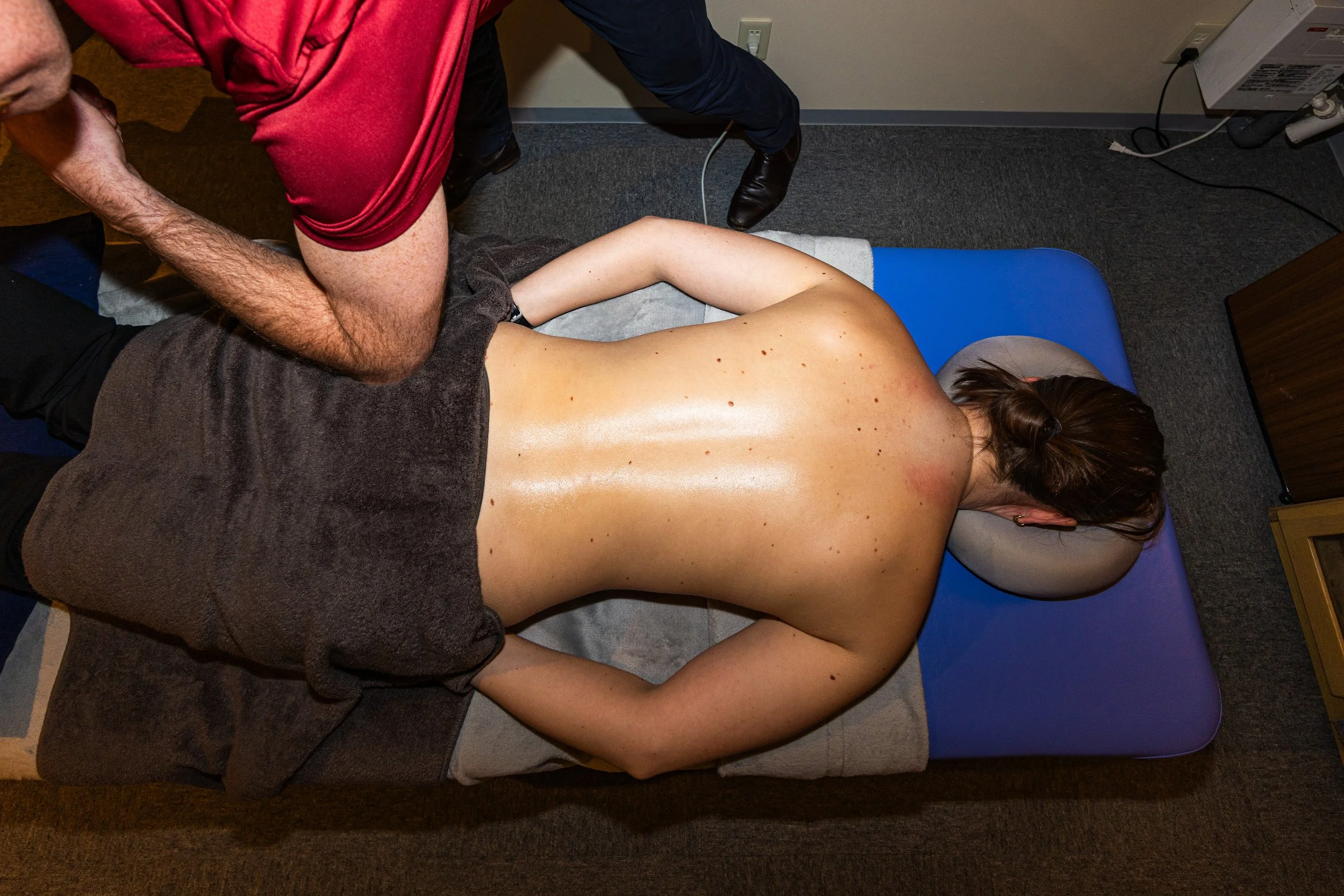
Hands-on manual therapy and soft tissue treatment
Targeted strength and stability rehabilitation program
Movement retraining for skiing and snowboarding
Clear return-to-sport guidance
2. Greater Trochanteric Pain Syndrome (GTPS)
Greater Trochanteric Pain Syndrome (GTPS) is a common cause of outer hip pain in skiers and snowboarders in Hakuba. It is typically caused by repetitive hip loading, especially during:
Long ski days
Mogul skiing
Uneven terrain
Sudden increases in activity
Although often classified as an overuse injury, falls and twisting movements can also trigger it.
Symptoms of GTPS
Deep aching pain on the outside of the hip
Pain when lying on the affected side
Pain climbing stairs
Discomfort walking or standing
Pain during longer ski runs
Physiotherapy Treatment for GTPS in Hakuba
Detailed biomechanical assessment
Load management strategies
Manual therapy and soft tissue release
Progressive glute strengthening program
Advice on padding or protection if required
3. Groin Strain & Adductor Tendinopathy
Groin injuries are common in skiing and snowboarding due to the intense stabilisation demands placed on the inner thigh muscles.
These injuries often result from:
Sudden directional changes
Skating on flat terrain
Aggressive carving
Fatigue during long ski trips
Symptoms of Groin Strain or Tendinopathy
Sudden sharp pain in the inner thigh
Pain when walking
Difficulty pushing off or skating
Pain squeezing skis together
Swelling or bruising
Weakness when edging or carving
How Peak Sports Physio Hakuba Can Help
Accurate diagnosis
Pain reduction strategies
Manual therapy and muscle release
Protective support advice
Structured strengthening and return-to-ski program
Why Choose Peak Sports Physio Hakuba for Hip Injuries?
At Peak Sports Physio Hakuba, we understand the physical demands of skiing and snowboarding in the Japanese Alps. We work with seasonal workers, tourists, and long-term Hakuba residents to provide:
Same-week appointments during ski season
Sports-specific rehabilitation
Evidence-based treatment
Clear return-to-slope timelines
Injury prevention programs
Whether you’re dealing with a hip labral tear, GTPS, or groin strain, we focus on getting you back to skiing and snowboarding safely — not just pain-free, but stronger.
Hip Pain While Skiing in Hakuba? Book an Assessment
If you're experiencing hip pain during your ski trip in Hakuba, early assessment can significantly speed up recovery.
📍 Located in the heart of Hakuba, Nagano
🏔 Specialists in ski and snowboard injuries
⛷ Helping you move better and ski longer
Book your appointment with Peak Sports Physio Hakuba today and get back to the slopes with confidence.
